
Faith Conversations With Kids: How to Talk About God in Everyday Moments
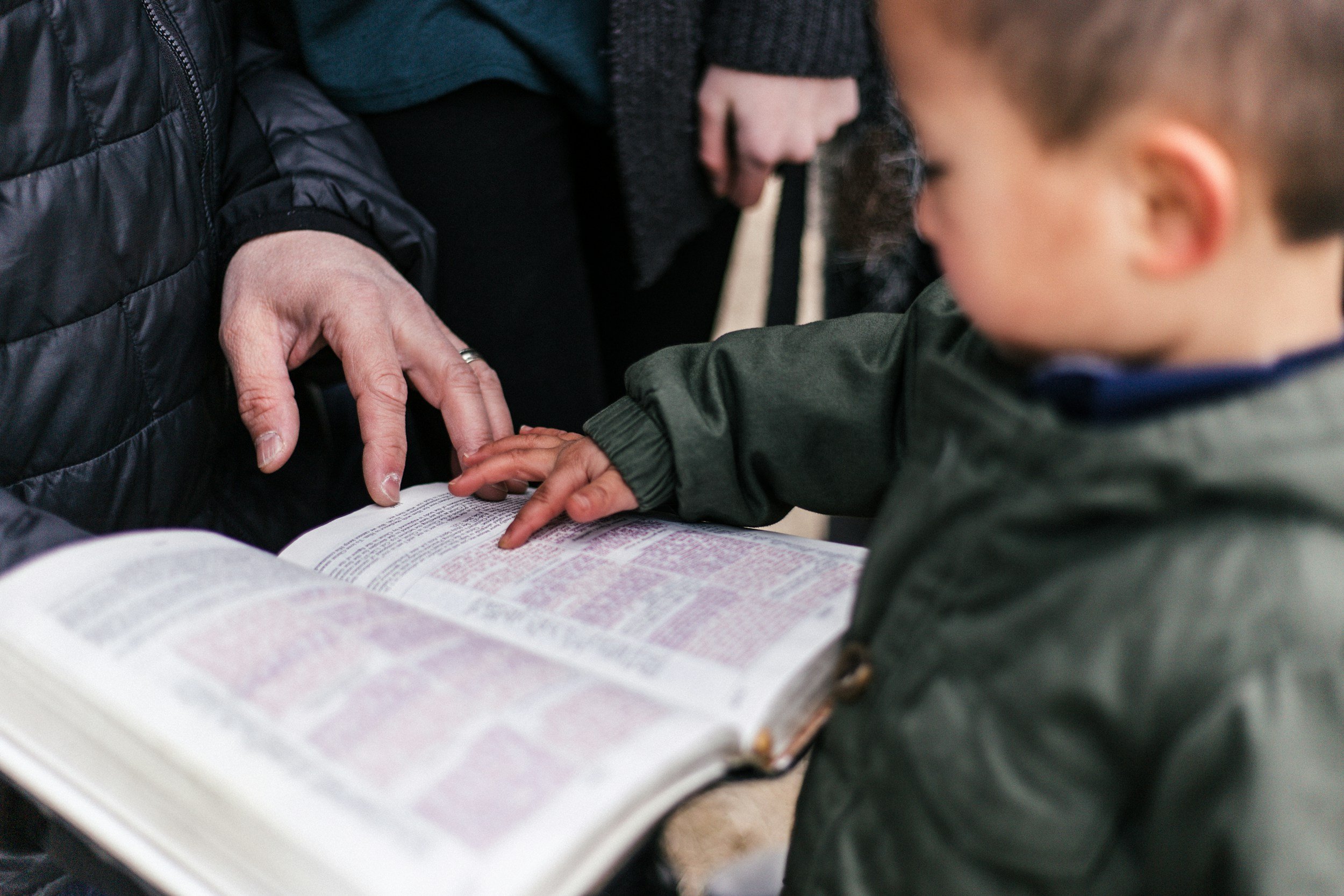
Learn how to have natural, meaningful faith conversations with kids. Use everyday moments to teach about God, answer tough questions, and build faith.
Some of the most powerful faith moments don't happen during structured Bible lessons. They happen in the car on the way to school. In the kitchen while making dinner. At bedtime. In the middle of a difficult moment.
These are faith conversations—natural, spontaneous discussions about God that arise from everyday life.
The challenge is that many parents and teachers feel unprepared for these moments. What if achild asks a question you don't know how to answer? What if you say something that confusesthem or damages their faith?
The truth is, you don't need to be a theologian to have meaningful faith conversations with kids. You just need to be authentic, listen well, and point them toward God.
Why Everyday Faith Conversations Matter
1. They're more memorable.
Kids remember conversations that connect to their real lives. A discussion about trusting Godduring a thunderstorm is more impactful than a lesson about faith in the abstract.
2. They address actual questions and struggles.
Your child is wondering why their best friend got sick. They're scared about their parentsfighting. They're ashamed about making a mistake. These are the moments where faith
conversations matter most.
3. They teach kids that faith is relevant.
When you only talk about God during formal Bible time, kids can compartmentalize faith as"something we do on Sunday." But when you naturally discuss faith during regular life, kids learnthat following Jesus applies everywhere, always.
4. They build deep relationships.
There's something special about real conversation. When a child knows they can ask you hardquestions and you'll take them seriously, trust deepens. They know you're not just teaching atthem—you're walking alongside them.
5 Principles for Great Faith Conversations
Principle 1: Listen More Than You Talk
Before you launch into an explanation or lesson, understand what your child is actually asking or thinking.
Listening techniques:
Ask clarifying questions: "Tell me more about that. What made you think about it?"
Pause and let them fill the silence
Don't interrupt or jump to answers
Reflect back what you hear: "It sounds like you're wondering why bad things happen. Isthat right?"
Pay attention to feelings, not just facts: "I hear that you're scared/angry/confused."
Kids often ask factual questions when what they're really dealing with is an emotion. A child asking, "Why do people die?" might really be processing fear or sadness about a grandparent's illness.
Principle 2: Be Honest About Your Own Faith
Kids don't need you to have all the answers. They need you to be real about your own faith journey.
How to be honest:
Share your own struggles: "I used to wonder about that too."
Admit uncertainty: "That's a good question. I'm not entirely sure, but here's what I believe..."
Share how your faith has grown: "I used to believe ___. Now I believe ___ because..."
Let them see your faith in action: "That situation scared me, but I prayed and God helped me."
When kids see that faith doesn't mean having all the answers but rather trusting God anyway, they understand faith more realistically.
Principle 3: Connect Faith to Real Life
The most impactful faith conversations point from a real situation directly to God's character orWord.
Examples:
Situation: Child is anxious about a test.
Faith connection: "You know, Jesus said we don't need to worry because He takes care of us. Let's pray and ask God to help you feel calmer."Situation: Child was unkind to a sibling.
Faith connection: "How do you think Jesus wouldhave handled that? Jesus teaches us to be kind even when we're frustrated. Want to go apologize and try again?"Situation: Child notices someone being excluded at school.
Faith connection: "Jesus loves everyone equally and wants us to be kind to people who are left out. How could you be a friend to that person?"
The connection between everyday life and faith should feel natural, not forced.
Principle 4: Ask Questions, Not Just Statements
Questions are incredibly powerful teaching tools. They help kids think through their faith rather than just accepting what you tell them.
Conversation starters:
"What do you think God would say about that?"
"How would it change things if you remembered that God loves you?"
"What does the Bible teach about this?"
"If Jesus was here right now, what do you think He'd do?"
"Have you ever seen God work in a situation like this?"
Questions also make kids feel respected and heard. You're not lecturing—you're exploring together.
Principle 5: Age-Appropriate Theology
Theology that's too complex will confuse. Theology that's too simplistic won't satisfy as kids grow.
Adjust your approach by age:
Ages 3-5:
God loves you
Jesus is God's son and loves us
The Bible tells us about God
God takes care of us
We can pray and talk to God
Ages 6-8:
God created everything
God is always with us
Jesus died and came back to life
We can have a relationship with Jesus
The Bible is God's Word that helps us
God helps us make good choices
Ages 9-11:
God is all-knowing, all-powerful, all-loving
Jesus died to save us from sin
We can choose to follow Jesus
The Bible is God's Word for all people
God sometimes says "no" or "wait" and we can trust Him
Our faith affects how we treat others
Ages 12+:
Deep theology becomes possible (grace, redemption, biblical interpretation)
Doubt and questions are normal and okay
Faith is a choice and a journey
God's nature (character, attributes, will)
How to study the Bible for themselves
12 Conversation Starters for Faith Talks
Sometimes the hardest part is knowing how to start. Here are conversation starters for different situations:
When they ask about death: "Death is sad because we miss the people we love. But Christians believe that when we follow Jesus, we get to be with God forever in heaven. That doesn't make us sad right now, but it's a wonderful promise."
When they're scared: "I know you're scared. I get scared sometimes too. But did you know that the Bible says God is with us all the time, even when we're scared? Let's pray together and ask God to help us be and feel braver."
When they've done something wrong: "Everyone makes mistakes. I make them too. The good news is that when we tell God we're sorry and ask for forgiveness, He forgives us. That's what grace means—getting another chance."
When they ask why God lets bad things happen: "That's one of the hardest questions people ask. Here's what I know: God is good and loves us, but He also let bad things happen in the world because He gave people choices. God is always there with us even in hard times, though."
When they ask if God is real: "What do you think? What have you seen that makes you wonder about God? I believe God is real because [share something personal]. God wants us to choose to believe in Him—He doesn't force us."
When they notice someone hurting: "You have a kind heart for noticing. Jesus would probablywant us to help or befriend that person. How could we show them kindness?"
When they ask about other religions: "Different people around the world believe different things about God. As Christians, we believe Jesus is God's son and the only way to God. We respect other people, but we also believe what the Bible teaches."
When they succeed or accomplish something: "You worked really hard and did a great job! Do you think God was proud of you too? I think He was! God celebrates our growth and effort."
When they ask a question you don't know: "That's such a great question. You know what? I don't know the answer to that one. But I'm going to look it up and we can talk about it tomorrow. I love that you're thinking about these things."
When they're struggling socially: "Sometimes people are unkind, and that really hurts. Remember that God sees your heart and knows you're trying to be kind. You can pray for the people who aren't being nice, and God can help you forgive them."
When they show an interest in God: "I'm so glad you want to know more about God. That makes me so happy! What would you like to know?"
When they seem to have faith: "You know, I've noticed your faith in God is real and growing. You trust Him in hard times. I'm so proud of you for that."
Handling Tough Questions
Q: "Why does God let people get sick?"
Approach: Acknowledge it's a hard question. Explain that God isn't responsible for all sickness (some is natural cause, sometimes people make choices that cause harm). God doesn't promise that bad things won't happen, but He promises to be with us through them.
Q: "Is God real or is He made up?"
Approach: Validate the question without getting defensive. Share why you believe God is real.Acknowledge that faith requires choosing to believe. Answer: "I believe God is real. You have todecide for yourself, but I'm going to keep pointing you toward God and helping you know Him."
Q: "Why do rich people exist if there are poor people?"
Approach: Explain that God gives everyone choices about how to use what they have. God wants us to care for people who are struggling. This is actually a great opportunity to teach generosity and justice.
Q: "Why did [person] die?"
Approach: This deserves a thoughtful, careful answer. Be honest about what you know and don't know. Validate grief. Offer comfort. "It's sad and okay to be sad. But [person] is safe with God now."
Q: "If God loves us, why does He let bad things happen?"
Approach: This is the problem of evil—one of theology's biggest questions. Age-appropriately: God allows humans free will, which means bad choices can happen. God isn't responsible for every bad thing, but God is always present in bad situations. Ultimately, we have to choose to trust God even when we don't understand.
Q: "How do I know what God wants me to do?"
Approach: Great question! Explain that we discover God's will through:
Reading the Bible
Prayer
Advice from wise people
Noticing our gifts and talents
Peace in our hearts
God's Holy Spirit guiding us
Tips for Natural, Comfortable Faith Conversations
Make it conversational, not preachy. Don't deliver a monologue. Have a dialogue. Ask questions. Let them think out loud.
Use their experiences. A child who is afraid is primed for a conversation about trusting God. Achild who was kind is ready to talk about Jesus' love for others.
Don't force it. If a child doesn't want to talk about something, don't push. Plant the seed andmove on. They might come back to it later when they're more ready.
Be comfortable with silence. Sometimes kids need time to process. Don't fill every silence. Let them think.
Share appropriate personal stories. Kids connect with your own faith journey. Share (age-appropriately) times you struggled with faith, times God helped you, times you had to trust God.
Celebrate their thoughts and questions. "That's such a smart question!" or "I'm so glad you're thinking about these things." This encourages them to keep coming back to you with questions.
Pray with them. Nothing solidifies faith like praying together. Let kids hear you pray. Teach them how to pray. Pray for specific needs they mention.
Don't pretend to have answers you don't have. Kids respect honesty more than false confidence.
Follow up. "Remember when you asked about ___? I've been thinking about it and here's what I think..." This shows kids you take their questions seriously.
Building a Culture of Faith Conversations
If you want faith conversations to happen naturally and regularly, create a culture where they're welcomed and safe:
Model faith-talk yourself. Talk about how God is working in your life. Mention prayers you're praying. Admit doubts you've had. Let kids see faith as a real, ongoing journey.
Welcome all questions. "That's a great question" should be your regular response, even to questions that make you uncomfortable. No question should be off-limits.
Never shame or mock questions. Even if a child asks something you think is obvious or silly, receive it respectfully. They're thinking and exploring.
Admit uncertainty. "I'm not sure about that one. Let's figure it out together" is a powerful statement. It teaches kids that faith doesn't require having all the answers.
Connect everyday life to God. A beautiful sunset, a birthday, a friend's kindness—point these back to God: "Isn't God's creation beautiful?" "I see God's love in how your friend cared for you."
Make faith feel normal. Prayer should be as normal as eating. Talking about God should be as natural as talking about school. When faith feels woven into everyday life, kids grow up thinking of it that way.
The Bottom Line
Some of the most powerful spiritual growth happens in quiet moments between you and a child—in the car, at dinner, at bedtime, in the midst of joy or pain.
These conversations don't require a lesson plan or perfect theology. They require presence,honesty, willingness to listen, and a genuine desire to help kids know God.
Start today. Pay attention to the moments when faith questions arise. Slow down enough to engage. Listen more than you talk. Point them toward Jesus.
These conversations are planting seeds that will grow in their hearts for decades.